The Subtle Origins of Flooding in the Home
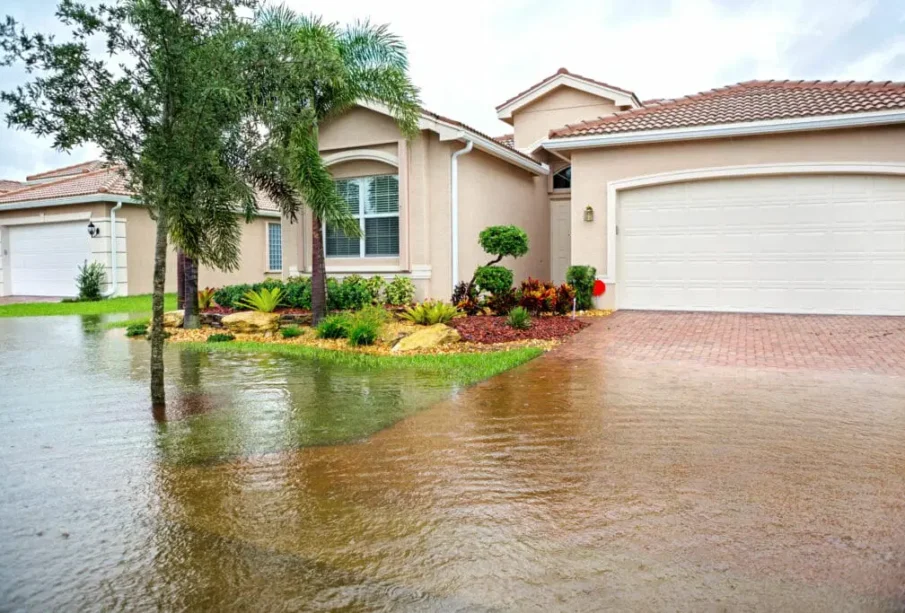
When people think of flood damage, they often picture dramatic events such as severe storms or burst pipes. In many cases, however, water intrusion begins quietly and without immediate warning. Small gaps in roof flashing, hairline foundation cracks, uncovered window wells, or poorly maintained drainage systems can allow moisture to enter gradually. These slow, nearly invisible leaks can develop into serious problems before homeowners realize anything is wrong.
Water rarely stays confined to the point where it enters. Once inside, it can travel through insulation, framing, drywall, and flooring systems. Because this movement happens behind finished surfaces, visible warning signs may take time to appear. By the time stains form on ceilings or walls, or a damp odor becomes noticeable, moisture may have already affected structural components beneath the surface.
Basement window wells are one of the most common yet overlooked entry points. If they lack protective covers or are surrounded by soil that slopes toward the home, they can collect rainwater and runoff. As water accumulates, it may seep through porous materials or small imperfections around the window frame. Inside the basement, moisture can spread into surrounding materials, creating conditions that support mold growth and gradual deterioration. Proper grading and securely fitted, sloped covers help redirect water away from these vulnerable areas.
Exterior walls can also provide pathways for hidden intrusion. Brick, stucco, and masonry naturally develop small cracks over time. In climates with seasonal temperature shifts, expansion and contraction can widen these openings. The first indoor signs might be minor paint blistering or faint discoloration, but damage behind the surface may already be underway. Regular inspections and prompt repairs of visible cracks can significantly reduce long term risks.
Gutters and downspouts influence how water interacts with a home’s foundation. When gutters clog or downspouts discharge too close to the structure, water can pool around the base of the house. Saturated soil increases pressure against foundation walls, making it easier for moisture to push inward. Consistent cleaning and extending downspouts away from the home are simple steps that offer meaningful protection.
Preventing hidden flooding depends on a layered approach. Proper landscaping that slopes away from the structure, effective drainage solutions, window well protection, waterproof barriers, and sump pumps all work together to manage water before it enters living spaces. If one safeguard is overwhelmed, others provide backup support.
Minor leaks may seem harmless at first, but their long term impact can be significant. Ongoing moisture can weaken framing, encourage mold growth, and contribute to foundation movement that affects doors and flooring. Identifying and addressing small vulnerabilities early is one of the most reliable ways to protect both the structure and overall comfort of the home.
For a closer look at where flooding really begins in the home and practical ways to guard against it, explore the companion resource from Window Well Experts, a supplier of egress window wells.