How Fitness Gyms in Singapore Inspire Wellness Design at Home
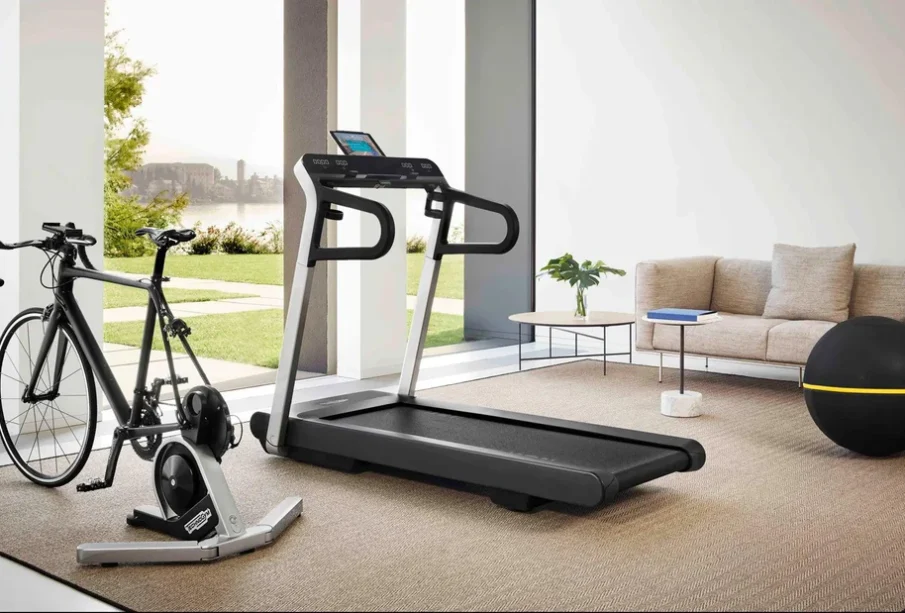
Singapore’s wellness culture has evolved beyond gym walls and into everyday living spaces. With more individuals seeking a balance between health, work, and personal comfort, the influence of the fitness gym Singapore experience is now shaping how people design their homes. The aesthetics, functionality, and atmosphere of modern gyms have become design inspirations for homeowners who want to bring wellness into their living environments.
The Rise of Wellness-Oriented Home Design
As Singaporeans spend more time indoors due to hybrid work lifestyles, the idea of home as a wellness hub has taken root. This shift has been influenced heavily by the clean, energising, and purposeful design of fitness gyms. People are now replicating the feel of professional workout environments in their personal spaces — not necessarily by creating full gyms, but by incorporating light, flow, and comfort into their interiors.
This growing design movement blends functionality and serenity, transforming homes into spaces that support both physical fitness and mental restoration.
How Gym Environments Influence Modern Homes
Modern gym architecture in Singapore is known for its minimalism, ergonomic planning, and sensory appeal. Homeowners are borrowing several design principles from fitness spaces to elevate their living environments.
1. Functional Zoning
Gyms divide spaces for cardio, strength, and recovery — a layout that homeowners are now adapting. Compact zones for yoga, stretching, or meditation are becoming popular additions to living rooms and balconies. This structure encourages physical movement and relaxation without compromising aesthetics.
2. Use of Natural Light
Natural light plays a major role in both mental and physical wellness. Gym-inspired interiors often feature wide windows, reflective surfaces, and open-plan layouts. In homes, these elements reduce eye strain, boost mood, and create an energising environment similar to a morning workout session.
3. Airflow and Ventilation
The ventilation systems in high-quality gyms maintain fresh oxygen flow, reducing fatigue. Home designers in Singapore are now incorporating similar principles — cross-ventilation, smart air purifiers, and greenery — to simulate the same revitalising atmosphere.
4. Colour and Texture Psychology
Fitness gyms in Singapore often use colours that motivate action: cool neutrals with pops of energy tones. This concept has influenced interior trends, where calming blues and earthy greys are used in living spaces to encourage focus, while vibrant accents inspire motivation and optimism.
5. Smart Integration and Tech-Inspired Design
Just as gyms rely on smart systems to track workouts and adjust lighting, homes are becoming tech-enabled wellness zones. Adjustable lighting that mirrors circadian rhythm, temperature-regulated rooms, and noise-cancelling walls are among the latest upgrades inspired by fitness spaces.
The Connection Between Fitness and Lifestyle Aesthetics
Singapore’s wellness-focused population views fitness not only as an activity but as a lifestyle. This perspective has given rise to an aesthetic known as “active living design” — where every element of a home supports movement and mindfulness.
Homeowners are integrating compact gym corners with multipurpose furniture, smart mirrors, and modular flooring. The idea is to create adaptable environments that transition from workspaces to recovery areas seamlessly.
The Role of Mental Wellness in Design
The mental benefits of well-designed gyms are now influencing interior psychology. Just as gyms use lighting and acoustics to enhance focus, homes are embracing sensory design — spaces that look beautiful but also feel healing.
Elements like indoor greenery, gentle lighting, and textured walls help calm the nervous system. The objective is not only to imitate a gym’s visual design but to capture its sense of purpose and peace.
Fitness Gyms as Inspiration for Sustainable Living
The sustainability principles followed by fitness centres are now guiding eco-conscious homeowners. Recycled materials, energy-efficient lighting, and sustainable flooring (such as cork or bamboo) are common in both gym architecture and modern home interiors.
This crossover encourages a responsible, health-forward lifestyle. By reducing environmental impact, homeowners mirror the discipline and mindfulness central to fitness culture.
Bringing the Gym Experience Home
Creating a gym-inspired home doesn’t always require large spaces or costly renovations. Small, strategic changes can deliver the same sense of vitality.
Here are some practical ideas inspired by the fitness gym Singapore experience:
-
Install mirror panels to enhance visibility and simulate gym openness.
-
Add smart lighting that shifts from energising daylight tones to soft evening hues.
-
Dedicate a wellness corner with simple equipment like resistance bands, mats, and dumbbells.
-
Use calming scents such as eucalyptus or peppermint for post-workout relaxation.
-
Integrate indoor plants for natural air purification and stress relief.
These subtle upgrades transform any space into a restorative environment, encouraging daily movement and mindfulness.
How TFX Influences Wellness Design Beyond Fitness
Premium facilities like TFX go beyond workouts — they create sensory and emotional experiences through architecture, design, and atmosphere. From acoustic zoning and mood lighting to spa-grade recovery rooms, TFX demonstrates how design can elevate wellbeing.
Many homeowners draw inspiration from such environments, replicating these features to create home spaces that reflect the same feeling of rejuvenation and balance.
The Growing Trend of Hybrid Living and Fitness Spaces
As hybrid work continues to define Singapore’s lifestyle, the boundary between fitness and home design will keep blending. Expect to see more residential developments featuring dedicated wellness floors, meditation decks, and integrated gym pods.
Designers are beginning to collaborate with fitness consultants to ensure that residential projects incorporate both ergonomic design and health-focused features from the outset.
The Long-Term Impact of Wellness-Focused Homes
This design evolution has profound implications. Homes that encourage movement and mindfulness can significantly improve both mental health and physical vitality. Just as gyms promote consistency and discipline, well-designed homes foster daily habits that support holistic wellbeing.
Over time, this approach creates a sustainable wellness ecosystem — one that begins in fitness gyms but flourishes inside homes across Singapore.
FAQs
Q1. How are fitness gyms influencing modern home design in Singapore?
Their emphasis on functionality, lighting, and atmosphere has inspired homeowners to create spaces that balance physical activity with relaxation.
Q2. Can small apartments adopt gym-inspired design?
Yes. Compact fitness corners, mirror walls, and multi-use spaces make it easy to integrate wellness design even in smaller flats or condos.
Q3. Why is lighting important in wellness design?
Lighting impacts energy levels and mood. Natural light or adjustable LED systems can replicate the motivating atmosphere of professional gyms.
Q4. How can gym-inspired design improve mental wellbeing?
By creating calm, organised, and visually balanced spaces that reduce stress and promote mindfulness — similar to recovery areas in modern gyms.
Q5. What role does TFX play in inspiring design trends?
TFX sets benchmarks in design excellence through its modern layouts, smart lighting, and holistic atmosphere, inspiring Singaporeans to integrate similar principles at home.
As the connection between fitness and lifestyle deepens, the fitness gym Singapore experience is reshaping not just how people work out but how they live. The modern home has become an extension of wellness culture — a sanctuary that embodies the balance, strength, and serenity inspired by the gym.