
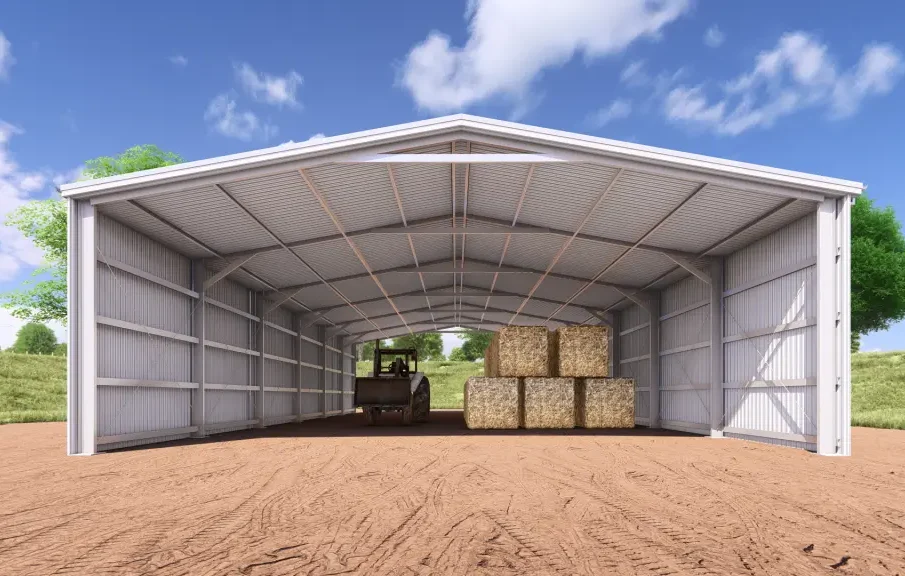
Farm structures play a critical role in day-to-day agricultural operations. Among the most practical and versatile buildings on any property are farm sheds, which provide essential protection for equipment, livestock, feed, and harvested crops. Investing in durable, well-designed farm sheds early on can significantly improve efficiency, reduce losses, and increase the long-term value of your property.
Whether you manage a small family farm or oversee large-scale agricultural production, understanding how to select, design, and maintain the right shed can directly impact productivity. This in-depth guide explores everything you need to know, from materials and placement to customization and compliance.
Table of Contents
ToggleWhy Farm Sheds Are Essential for Modern Agriculture
Farm sheds are more than simple storage units. They are multifunctional structures that protect valuable assets, streamline workflow, and contribute to overall farm organization.
Protection from Weather and Environmental Damage
Agricultural equipment represents a major financial investment. Tractors, balers, irrigation systems, and attachments can quickly deteriorate when exposed to rain, snow, intense sun, or humidity. A properly constructed shed helps prevent:
-
Rust and corrosion
-
UV damage to tires and plastic components
-
Electrical system degradation
-
Premature mechanical wear
Similarly, hay, grain, and feed require dry conditions to prevent mold and spoilage. A well-ventilated shed protects these resources and reduces waste.
Improved Operational Efficiency
Having a centralized location for machinery and supplies saves time. Instead of searching across open fields or temporary shelters, workers can access tools and equipment quickly. This streamlined workflow leads to:
-
Faster daily setup
-
Reduced downtime
-
Better inventory control
-
Improved safety conditions
When everything has a designated place, operations become more predictable and organized.
Livestock Comfort and Safety
In addition to storage, many farmers use sheds for animal shelter. Livestock benefit from protection against harsh weather, particularly during extreme heat or freezing conditions. A properly designed shelter can reduce stress, improve weight gain, and enhance overall animal welfare.
Types of Farm Sheds and Their Uses
Not all sheds serve the same purpose. Selecting the right type depends on your farm’s primary activities and future expansion plans.
Machinery Sheds
These are large, open-span structures designed to store tractors, harvesters, trailers, and attachments. Features often include:
-
Wide door openings for easy access
-
High clearance for tall equipment
-
Reinforced flooring for heavy loads
Open-front designs are common because they allow quick entry and exit during busy seasons.
Hay and Feed Sheds
Hay storage requires careful airflow management. These sheds typically include:
-
Elevated flooring to prevent ground moisture
-
Ventilation systems to reduce condensation
-
Roof insulation to limit heat buildup
Proper storage prevents spontaneous combustion, which can occur when moisture levels are too high.
Livestock Shelters
Animal sheds range from simple three-sided structures to fully enclosed barns. Design considerations include:
-
Drainage for waste management
-
Non-slip flooring
-
Adequate ventilation
-
Easy cleaning access
The size and layout should accommodate feeding systems and safe movement of animals.
Workshop and Utility Sheds
Many farmers dedicate a section of their property to equipment maintenance. Workshop sheds may include:
-
Electrical wiring
-
Insulated walls
-
Workbenches and storage cabinets
-
Secure locking systems
Having an on-site repair area reduces reliance on outside service providers and minimizes downtime.
Choosing the Right Materials for Durability
The longevity of a shed largely depends on the materials used in construction.
Steel Structures
Steel is a popular option because it offers:
-
High structural strength
-
Resistance to pests
-
Minimal maintenance requirements
-
Long lifespan
Galvanized steel helps prevent rust, making it ideal for humid climates.
Wood Construction
Wood provides a traditional appearance and can be cost-effective for smaller operations. However, it requires regular maintenance to prevent:
-
Termite damage
-
Rot
-
Warping
Pressure-treated lumber improves durability, but upkeep remains important.
Hybrid Designs
Some farmers combine steel frames with wooden interiors. This approach balances structural integrity with aesthetic appeal and interior flexibility.
Planning Location and Layout
Placement significantly influences functionality and longevity.
Ground Preparation and Drainage
Before construction begins, the site must be leveled and graded properly. Effective drainage prevents standing water, which can weaken foundations and cause structural damage over time.
Gravel bases are commonly used to improve stability and reduce mud buildup.
Accessibility
Position the shed near primary working areas to minimize travel time. Consider:
-
Access to main driveways
-
Turning radius for large machinery
-
Proximity to livestock areas
Poor placement can create bottlenecks during planting or harvest season.
Orientation for Climate Control
The direction your shed faces can impact ventilation and temperature control. For example:
-
Open sides facing away from prevailing winds reduce storm exposure
-
Proper alignment improves natural airflow
-
Roof overhangs provide shade during hot months
Careful orientation lowers energy costs if lighting or ventilation systems are installed.
Customization Options for Maximum Efficiency
Every farm operates differently. Custom features allow your structure to support specific needs.
Doors and Entry Systems
Large sliding or roll-up doors provide convenience for equipment storage. Consider:
-
Automated door systems
-
Reinforced hinges for heavy use
-
Multiple entry points for workflow flexibility
Lighting and Electrical Installations
Adding proper lighting increases productivity during early mornings or late evenings. LED fixtures offer energy efficiency and long-term savings.
Electrical outlets are essential for:
-
Power tools
-
Charging equipment
-
Ventilation fans
Insulation and Ventilation
Insulation helps regulate temperature, especially for livestock and feed storage. Combined with ridge vents or exhaust fans, it prevents moisture buildup and improves air quality.
Expansion Planning
Even if you only need a small shed today, plan for future growth. Modular designs allow additional sections to be added later without major reconstruction.
Cost Considerations and Budget Planning
Building a shed involves more than the initial structure cost.
Factors Affecting Overall Expense
Several variables influence pricing:
-
Size and height
-
Material selection
-
Foundation requirements
-
Custom features
-
Local labor costs
While steel structures may cost more upfront, their lower maintenance expenses often result in better long-term value.
Permits and Zoning Regulations
Local building codes vary by state and county. Always verify:
-
Height restrictions
-
Setback requirements
-
Wind load standards
-
Snow load compliance
Failing to secure proper permits can lead to fines or forced modifications.
Insurance Implications
Adding a permanent structure may impact property insurance premiums. However, protecting equipment often reduces risk and may offset some costs.
Maintenance Tips for Long-Term Performance
Even the most durable shed requires regular care.
Routine Inspections
Conduct seasonal inspections to identify:
-
Loose fasteners
-
Roof leaks
-
Rust formation
-
Structural stress points
Early detection prevents minor issues from becoming expensive repairs.
Cleaning and Ventilation Checks
Remove debris from gutters and roof panels. Ensure vents remain unobstructed to maintain airflow.
Pest Control
Rodents and insects can damage stored materials. Seal small gaps and consider integrated pest management strategies to protect stored feed and equipment.
Environmental and Sustainability Considerations
Sustainability has become increasingly important in agricultural infrastructure planning.
Energy-Efficient Design
Incorporate:
-
Skylights for natural lighting
-
Solar panels for power generation
-
Rainwater collection systems
These features reduce utility costs and environmental impact.
Sustainable Materials
Recycled steel and responsibly sourced lumber contribute to eco-friendly construction without sacrificing durability.
Water Management
Install proper drainage channels and consider permeable surfaces to minimize soil erosion and runoff.
Real-Life FAQ About Farm Sheds
Frequently Asked Questions
How long does it typically take to construct a farm shed?
Construction timelines vary based on size and complexity. A basic prefabricated steel shed can be completed within a few weeks, while custom-built structures with electrical and insulation work may take several months. Weather conditions and permit approval timelines can also affect scheduling.
Can farm sheds increase property value?
Yes, well-built and properly maintained sheds often increase resale value. Buyers appreciate functional storage and infrastructure that reduces the need for future construction. The added value depends on quality, size, and overall condition.
What foundation is best for heavy machinery storage?
Concrete slabs provide the strongest and most durable base for heavy equipment. Gravel foundations work for lighter use, but concrete offers better long-term stability and easier cleaning.
Are prefabricated sheds as durable as custom-built ones?
High-quality prefabricated sheds made from galvanized steel can be extremely durable. The key factor is proper installation and compliance with local building codes. Custom-built options may offer more design flexibility but are not automatically stronger.
How do I prevent condensation inside my shed?
Proper ventilation is essential. Ridge vents, wall vents, and insulation all help control moisture. Installing vapor barriers and maintaining airflow prevents condensation from forming on metal surfaces.
Do I need professional installation, or can I build it myself?
Some smaller shed kits are designed for DIY installation. However, larger structures often require professional assembly to ensure structural integrity and code compliance. Mistakes during installation can compromise safety and longevity.
What size shed should I choose if I plan to expand my operation?
It is wise to build slightly larger than your current needs. Consider future equipment purchases, livestock growth, and storage demands. Planning ahead reduces the need for costly expansions later.
Can I convert an existing shed for a different purpose?
Yes, many sheds can be modified. Adding insulation, partition walls, or upgraded flooring can transform a storage shed into a workshop or livestock shelter. Structural assessments are recommended before making major changes.
Farm sheds represent one of the most practical investments a property owner can make. When carefully planned, constructed with durable materials, and maintained regularly, they serve as reliable infrastructure that supports daily operations and long-term agricultural success.
Motorized Outdoor Shades: A Practical Upgrade for Houston Outdoor Living
September 30, 2026
Comments are closed.
-
Decorating Colors
August 16, 2019 -

4 Available Types of Exterior Wall Coverings
June 5, 2019 -

Brilliant Ideas To Decorate A Terrace
September 13, 2021
Latest Posts
-

How Do Mortgages Work? A Beginner’s Guide to Buying Your First Home
October 20, 2026 -

-

-

Motorized Outdoor Shades: A Practical Upgrade for Houston Outdoor Living
September 30, 2026 -

How to Choose a 1 BHK Dombivli Home Based on Your Lifestyle
September 20, 2026
Recent Posts
- How Do Mortgages Work? A Beginner’s Guide to Buying Your First Home October 20, 2026
- Best Solar System for Home in India With 3kW Hybrid Solar System Options and Prices October 9, 2026
- AC Repair vs. Replacement: Which Is Better for Your AC in Peak Summer October 2, 2026
- Motorized Outdoor Shades: A Practical Upgrade for Houston Outdoor Living September 30, 2026
- How to Choose a 1 BHK Dombivli Home Based on Your Lifestyle September 20, 2026
Categories
- Architecture (6)
- Bathroom (3)
- Cleaning Service (2)
- Decor Tips (6)
- Exterior (6)
- Featured (2)
- Flooring (7)
- Furniture (11)
- Garden (2)
- Home (171)
- Interior Design (7)
- Kitchen (1)
- Moving (2)
- News (1)
- Plumbing (2)
- Property (5)
- Roofing (5)