

Historically, the majority of the earth’s surface was wilderness, including forests, grasslands, and deserts. However, in the last few hundred years, agriculture has replaced these wild habitats. Less than 5% of non-desert or non-ice land was used for agriculture a millennium ago. Today, farmland takes up over half of habitable land, with forests covering the rest, and a small percentage of land being dedicated to grasslands, freshwater, and urban areas.
As consumers, we can make a difference by reducing our environmental impact through our shopping choices. To find out more about how you can help protect the environment, refer to the accompanying resource.
The Impact of Groceries from Green Rabbit, a provider of cold chain monitoring software

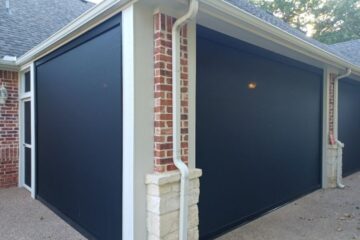
Motorized Outdoor Shades: A Practical Upgrade for Houston Outdoor Living
September 30, 2026
Comments are closed.
-

Building Out A Stylish Man Cave
April 19, 2023 -

Rat Proof Your Drains: Top Drain Rat Blockers Reviewed
January 10, 2024 -
Some Essential Office At Home Decoration Tips
April 17, 2019
Latest Posts
-

How Do Mortgages Work? A Beginner’s Guide to Buying Your First Home
October 20, 2026 -

-

-

Motorized Outdoor Shades: A Practical Upgrade for Houston Outdoor Living
September 30, 2026 -

How to Choose a 1 BHK Dombivli Home Based on Your Lifestyle
September 20, 2026
Recent Posts
- How Do Mortgages Work? A Beginner’s Guide to Buying Your First Home October 20, 2026
- Best Solar System for Home in India With 3kW Hybrid Solar System Options and Prices October 9, 2026
- AC Repair vs. Replacement: Which Is Better for Your AC in Peak Summer October 2, 2026
- Motorized Outdoor Shades: A Practical Upgrade for Houston Outdoor Living September 30, 2026
- How to Choose a 1 BHK Dombivli Home Based on Your Lifestyle September 20, 2026
Categories
- Architecture (6)
- Bathroom (3)
- Cleaning Service (2)
- Decor Tips (6)
- Exterior (6)
- Featured (2)
- Flooring (7)
- Furniture (11)
- Garden (2)
- Home (171)
- Interior Design (7)
- Kitchen (1)
- Moving (2)
- News (1)
- Plumbing (2)
- Property (5)
- Roofing (5)