Why Corrosion-Resistant Outdoor Kitchens Suit Coastal Homes
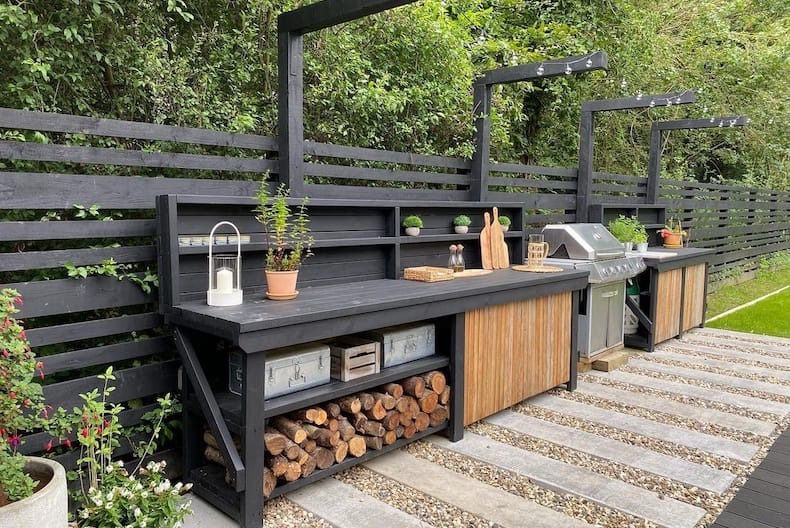
Outdoor cooking spaces must stand up to more than heat
An outdoor kitchen has a tougher job than most indoor spaces. It faces rain, damp air, cooking grease, dust, and strong sunlight. Coastal homes are exposed to salt air, which can corrode metal parts even faster. We often notice damage only after doors begin sticking or small rust marks appear. This guide explains how to plan a kitchen that remains useful amid daily stresses. Better long-term performance is enabled by corrosion-resistant outdoor kitchens built with weather-ready surfaces, protected hardware, and practical cabinet systems. The right materials can reduce upkeep, but thoughtful placement and regular care still matter.
We will cover cabinet finishes, hardware, drainage, ventilation, and cleaning habits. You will learn why a covered patio does not fully protect a kitchen from damp air. We will also explain how scratches, trapped water, and harsh cleaning tools can weaken even strong surfaces. A lasting setup should fit both the climate and the cooking style. Someone near the coast may need a different care plan from a homeowner in a dry area. Modular systems can also help owners match cabinets and appliances to tight or uneven spaces. Some outdoor kitchen lines feature powder-coated steel, hidden utility routes, and adjustable feet for outdoor use. By the end, you can judge durability through real design details rather than a shiny showroom finish.
What material details help an outdoor kitchen resist corrosion
Durability starts with the surface, yet the layers beneath it matter too. Outdoor cabinets need finishes that block water and limit direct contact with bare metal. Strong seams also reduce places where moisture can sit. Handles, hinges, screws, and drawer slides deserve equal attention. One weak part can make a strong cabinet frustrating to use. Review the entire build rather than checking only the door panel.
- Look for a protected outer finish
Powder-coated surfaces create a barrier between steel and outdoor air. The coating should cover edges, corners, and hidden areas. Deep scratches should be repaired before moisture reaches the metal.
- Inspect hinges and moving parts
Doors and drawers depend on small hardware parts. These areas are subject to repeated contact and may retain grease or water. Choose hardware made for outdoor exposure and smooth adjustment.
- Check seams and cabinet edges
Tight seams leave fewer gaps for dirt and moisture. Rough cuts or open joints may collect water after rain. Clean construction also makes regular wiping much easier.
- Review the warranty and care terms
A long warranty can show confidence in the build, but read its conditions. Some corrosion claims depend on proper cleaning and approved installation. Keep the product care guide with your home records.
How can the layout prevent water and moisture damage
Material choice will not solve a poor layout. Water needs a clear path away from cabinets, walls, and appliances. The kitchen should sit on a stable surface with enough slope for drainage. Low spots can hold water after rain or washing. Cabinets should also remain clear of sprinklers and roof runoff. A few inches of better placement can prevent years of damp exposure.
Use these layout checks
- Keep roof drainage away from cabinet doors and seams
- Leave airflow around grills, refrigerators, and enclosed areas
- Level each module so doors close and water drains correctly
- Route gas, water, and power through protected access points
- Avoid placing wet landscaping directly against the kitchen
Hidden utility openings can keep pipes and wires from running across exposed cabinet faces. Adjustable feet can also help level modules when patios shift over time. Check the space after heavy rain before final installation. Notice where puddles form and how wind moves water beneath the roof. Good drainage protects the kitchen even when no one is outside to cover it.
Why does routine cleaning protect the kitchen finish
Corrosion resistance lowers risk, but it does not remove the need for care. Salt, grease, food spills, and dust can remain on surfaces for weeks. Those layers hold moisture and may stain the finish. A quick wipe after cooking is easier than a deep repair later. Mild soap and warm water are often enough for routine cabinet cleaning. Abrasive pads and harsh chemicals may scratch or weaken protected surfaces.
Simple care habits include
- Wipe grease and food spills soon after cooking
- Rinse salt residue from kitchens near coastal air
- Dry cabinet edges, handles, and seams after washing
- Use fitted covers on grills and exposed appliances
- Inspect scratches, loose hardware, and drainage each season
Do not forget the spaces beneath counters or behind appliances. Dirt collects there because those areas are rarely seen. Keep ventilation openings clear and remove leaves before they trap water. Follow the maker’s instructions for each finish and appliance. The goal is not constant polishing. Small, steady care helps the kitchen stay clean, smooth, and ready for the next meal.
Choose an outdoor kitchen built for your local climate
A durable outdoor kitchen begins with honest attention to weather. Strong finishes, protected hardware, effective drainage, and proper airflow all support longer service life. Regular cleaning, in turn, helps those features perform as intended. We suggest studying where rain, salt, heat, and wind reach your patio before choosing the final layout. Compare materials by their full construction and care needs, not surface shine alone. Leave enough room for inspection and future adjustment. A kitchen that suits its setting will demand less repair and feel easier to enjoy. Start with the climate outside your door, then create a cooking space ready to welcome many relaxed meals ahead.