Renovation Choices That Can Improve Safety, Flow, and Everyday Comfort
A good renovation should do more than make a home look newer. The best updates improve how the space works every day. They make movement easier, reduce small frustrations, improve safety, and help each room feel more connected. While finishes, colours, and furniture are important, the most valuable renovation choices are often the ones that improve comfort and function at the same time.
Many homeowners begin a renovation because something feels outdated or inconvenient. A hallway may feel cramped, a staircase may feel awkward, storage may be poor, or certain areas may not suit the way the household lives anymore. By focusing on safety, flow, and comfort from the start, a renovation can deliver improvements that last well beyond the first visual impression.
Start With How the Home Is Used Every Day
Before choosing materials or design features, it helps to study how the home is actually used. A renovation should respond to real habits, not just design trends.
Think about where people enter the home, where bags and shoes collect, which walkways feel crowded, where natural light is limited, and which areas feel unsafe or inconvenient. These daily patterns reveal what needs to change.
For example, a family home may need better storage near the entrance, safer stairs for children, improved lighting in hallways, and smoother movement between the kitchen and living area. A home for older adults may need wider pathways, easier access, better handrails, and fewer trip hazards.
The more clearly you understand the problems, the easier it becomes to make renovation choices that genuinely improve daily life.
Improve Movement Between Key Areas
Flow is one of the most important parts of a comfortable home. Good flow means people can move naturally from one space to another without awkward corners, blocked paths, or unnecessary steps.
Common flow problems include narrow hallways, poorly placed furniture, doors that swing into busy areas, cramped staircases, and disconnected rooms. These issues may seem small, but they can make a home feel frustrating over time.
A renovation can improve flow by widening openings, adjusting door placement, improving stair access, opening certain walls, or creating clearer pathways. Even small layout changes can make a home feel more spacious and easier to live in.
Flow is especially important in areas used many times a day, such as entrances, kitchens, staircases, bathrooms, and living rooms.
Make Staircases Safer and More Practical
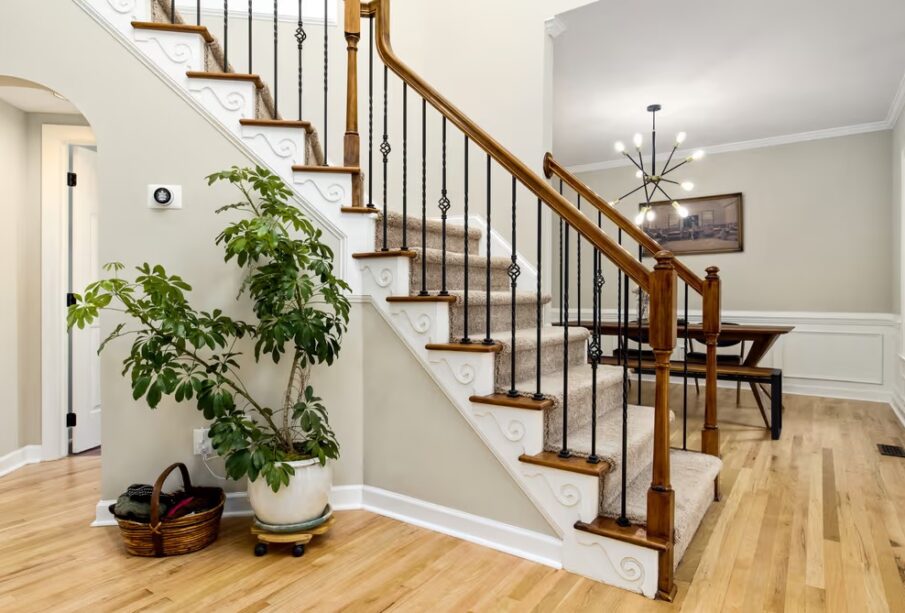
In multi-level homes, the staircase is one of the most important features to review during a renovation. It affects movement, safety, appearance, and the connection between floors.
An outdated or poorly designed staircase can make daily life less comfortable. Steps may feel too steep, lighting may be poor, handrails may not feel secure, or the design may not match the rest of the home. In some homes, the staircase may also take up more space than necessary or interrupt the natural flow of the layout.
Homeowners planning a major upgrade may need professional support with Staircase design, manufacture & installation, especially when the staircase needs to meet safety requirements while also fitting the style and structure of the home.
A well-planned staircase can make movement between levels feel smoother, safer, and more natural. It can also become an attractive architectural feature rather than just a functional necessity.
Upgrade Lighting in Transitional Spaces
Lighting is often discussed in kitchens and living rooms, but transitional spaces need attention too. Hallways, stairwells, landings, entryways, and corridors are used constantly, yet they are often poorly lit.
Good lighting improves safety by reducing the risk of trips and falls. It also makes the home feel warmer and more inviting.
Staircases should have clear lighting from top to bottom. Hallways should not rely on one weak ceiling light. Entryways should be bright enough for people to find keys, shoes, bags, and coats easily.
Layered lighting can work well. Wall lights, step lights, ceiling lights, and motion sensors can all improve comfort. Natural light should also be used where possible through windows, glass doors, skylights, or internal openings.
Choose Flooring With Safety and Lifestyle in Mind
Flooring has a major impact on both comfort and safety. A surface may look beautiful, but it also needs to suit the household’s daily routine.
Slippery flooring can be risky in bathrooms, kitchens, entries, and stair areas. Very hard surfaces may be uncomfortable for long periods of standing. Light-coloured flooring may show dirt quickly in busy family homes. Soft flooring may feel comfortable but may not suit areas with pets, children, or heavy traffic.
During a renovation, choose flooring based on where it will be used. Entryways need durability. Bathrooms need slip resistance. Stairs need secure footing. Living areas need comfort and warmth.
Floor transitions should also be smooth. Uneven levels between rooms can create trip hazards and make the home feel less polished.
Add Handrails and Support Where Needed
Support features should not be treated as afterthoughts. Handrails, grab rails, stable edges, and clear access points can make a home safer for children, older adults, and guests.
A strong handrail on a staircase improves confidence and safety. In bathrooms, support rails may be useful for older family members or anyone with mobility concerns. Outdoor steps, decks, and balconies may also need secure railings.
These features do not have to look clinical or unattractive. Modern support details can be designed to match the style of the home. Timber, metal, and powder-coated finishes can all look refined when planned properly.
Good safety design should feel natural within the space, not added awkwardly later.
Create Better Storage to Reduce Clutter
Clutter affects comfort more than many homeowners realise. When everyday items have no proper place, surfaces become crowded, walkways become blocked, and rooms feel harder to maintain.
A renovation is a good time to add storage that suits the home’s layout. This may include built-in wardrobes, hallway cupboards, under-stair storage, kitchen organisers, laundry cabinets, bathroom niches, or entryway storage.
Under-stair areas are often underused. Depending on the layout, they can become drawers, cupboards, shelving, a small study nook, or a concealed storage zone.
Good storage improves both flow and comfort. When items are easy to put away, the home feels calmer and more organised.
Improve Entryways for Daily Convenience
The entrance of a home handles a lot of activity. Shoes, bags, keys, mail, umbrellas, school items, and outdoor gear often collect there. If the entry is not designed well, clutter can spread quickly.
A practical entryway may include a bench, hooks, closed storage, a shoe area, good lighting, and durable flooring. Even a small entrance can become more useful with the right layout.
The entry should also support safe movement. Avoid narrow walkways, loose rugs, and poorly placed furniture. If there are steps near the entrance, make sure they are clearly visible and easy to use.
A well-planned entry makes leaving and returning home feel easier.
Think About Long-Term Accessibility
A renovation should not only solve today’s problems. It should also consider future needs. A home that works well for different ages and abilities will remain more comfortable over time.
This does not mean every home needs major accessibility changes. It may simply mean choosing wider pathways, better lighting, safer flooring, easier door handles, secure stairs, and practical bathroom layouts.
Small accessibility improvements can make a home easier for children, guests, older relatives, and anyone recovering from injury. They also help protect the value and usability of the property.
Planning ahead is usually easier and more cost-effective than making urgent changes later.
Use Materials That Are Easy to Maintain
Comfort is not only about how a home feels on the first day after renovation. It is also about how easy it is to clean, maintain, and live with.
Some materials look impressive but require constant care. Others are durable, practical, and still attractive. The right choice depends on the household.
Busy homes may benefit from washable paint, stain-resistant surfaces, durable flooring, easy-clean tiles, and strong hardware. Outdoor areas may need weather-resistant materials. Staircases, handrails, and high-touch areas should be finished with durability in mind.
Low-maintenance design helps a home stay comfortable without creating extra work.
Make Each Renovation Choice Work Harder
A smart renovation choice should solve more than one problem where possible. For example, better stair lighting improves safety and appearance. Under-stair storage improves function and reduces clutter. A wider doorway improves movement and makes the home feel more open. A new handrail improves safety and adds a finished design detail.
This approach helps homeowners get more value from each decision. Instead of focusing only on visual upgrades, every change should support the way the home is used.
Before approving any renovation feature, ask what it improves. Does it make the space safer? Does it improve movement? Does it reduce clutter? Does it add comfort? Does it fit the style of the home?
A Better Home Feels Easier to Live In
The most successful renovations are not always the most dramatic. Often, they are the ones that make daily life feel smoother. Better lighting, safer stairs, practical storage, comfortable flooring, clearer pathways, and thoughtful support features can completely change how a home functions.
A home should not only look good in photos. It should feel good to live in every day. When renovation choices are guided by safety, flow, and comfort, the result is a space that works better for everyone in the household.