Circadian-Aligned Yoga: Designing Home Routines That Sync With Natural Light and Body Clocks
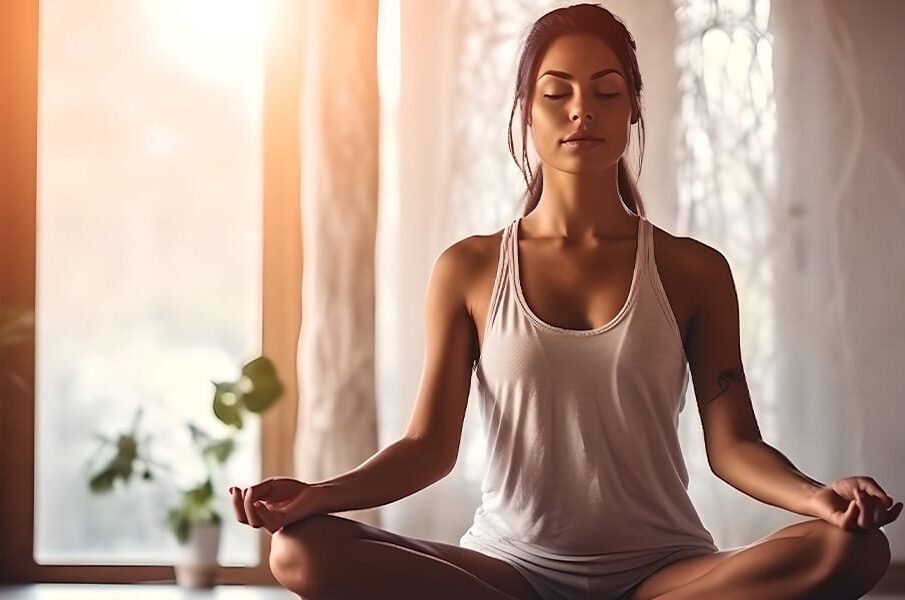
Our bodies follow an internal rhythm that mirrors the rising and setting of the sun. Known as the circadian rhythm, it influences our sleep, energy levels, metabolism, and even emotional health. Yet in Singapore’s urban lifestyle, where artificial lighting and late-night routines dominate, this natural rhythm is often disrupted. By aligning daily movement with the body’s internal clock through structured yoga classes, individuals can restore harmony between physical energy and mental focus. Practising circadian-aligned yoga at home further deepens this connection, helping the body respond naturally to environmental cues and maintain long-term wellness.
Understanding the Circadian Rhythm
The circadian rhythm operates on a 24-hour cycle, guiding when we feel awake, hungry, or ready to rest. Controlled by the brain’s suprachiasmatic nucleus, this internal clock responds to light exposure and daily behaviour. When aligned, energy peaks at the right times, digestion runs efficiently, and sleep feels restorative.
However, factors such as prolonged screen time, inconsistent eating, and irregular exercise confuse this biological system. Many people in Singapore experience fatigue despite adequate sleep because their body’s rhythm is out of sync with the natural day-night cycle. Yoga provides an adaptable and mindful approach to restoring that balance.
Why Circadian Alignment Matters for Modern Living
The human body is designed to move in harmony with nature’s cycles. In ancient traditions, sunrise was associated with vitality and spiritual clarity, while sunset symbolised release and reflection. Aligning movement and breath with these transitions can recalibrate hormonal patterns such as cortisol (alertness) and melatonin (sleep readiness).
In a city that thrives on productivity, maintaining this natural rhythm becomes essential. Practising yoga at specific times of the day allows the body to anticipate activity or rest more efficiently, improving focus, mood stability, and overall health.
Morning: Awakening the Body and Mind
Morning yoga is best performed between 6:30 a.m. and 9:00 a.m., when the mind is fresh, and the air feels still. At this time, cortisol levels naturally rise, preparing the body for activity. A gentle yet energising routine can channel this natural awakening without creating strain.
Ideal morning practices include:
-
Sun Salutations (Surya Namaskar): Activates circulation and synchronises breath with movement.
-
Cat-Cow (Marjaryasana-Bitilasana): Awakens the spine and improves mobility after sleep.
-
Standing Poses: Warrior and Triangle variations engage large muscle groups to promote warmth and strength.
-
Short breath retention: Builds focus and readiness for the day’s mental tasks.
When done under natural light or by an open window, morning yoga helps anchor the body’s awareness to daylight patterns, setting the tone for productivity and mental calm.
Midday: Balancing Focus and Digestive Energy
By midday, digestion peaks, and the body’s metabolic activity is at its highest. This period (between 12:30 p.m. and 2:00 p.m.) is often when energy dips due to heavy meals or screen fatigue. A short yoga session can stabilise energy without interfering with digestion.
Suggested mid-afternoon movements include:
-
Seated twists: Gentle rotations stimulate digestion and relieve tension from prolonged sitting.
-
Forward folds: Help reduce restlessness while lengthening the spine.
-
Pranayama (breathwork): Techniques such as Nadi Shodhana (alternate nostril breathing) restore balance between focus and relaxation.
Even ten minutes of movement can reawaken concentration, reducing the need for caffeine or snacks. For those working from home, this practice helps prevent both mental burnout and postural stiffness.
Evening: Transitioning into Restoration
Evening practice should shift the body from alertness to calm. Between 6:30 p.m. and 8:30 p.m., light begins to fade, and melatonin secretion gradually increases. A restorative yoga routine during this window signals to the nervous system that it is time to unwind.
Recommended poses for evening alignment include:
-
Supported Bridge (Setu Bandhasana): Opens the chest and relaxes the spine.
-
Legs-Up-the-Wall (Viparita Karani): Enhances venous return, reducing fatigue and swelling.
-
Child’s Pose (Balasana): Soothes the mind and eases lower back pressure.
-
Gentle breath extension (1:2 ratio): Prolonged exhalation activates the parasympathetic nervous system, promoting relaxation.
Soft lighting and minimal digital stimulation during this time reinforce the body’s natural transition toward sleep readiness.
Night: Preparing for Deep Rest
Late-night yoga doesn’t mean vigorous movement. Instead, it focuses on subtle, breath-based practices to improve sleep quality. Postures like Reclined Bound Angle Pose or gentle side-lying twists release residual tension.
Integrating slow diaphragmatic breathing or humming pranayama (Bhramari) reduces heart rate variability and prepares the brain for restorative sleep cycles. Avoid backbends or stimulating sequences that could delay melatonin release.
Adapting to Singapore’s Climate and Lifestyle
Singapore’s warm, humid weather and year-round daylight consistency make it easier to create predictable routines. However, extended exposure to air conditioning, artificial lighting, and late working hours can disrupt the body’s circadian feedback.
By aligning yoga sessions with natural light exposure, individuals can counteract these effects. Practising near windows during daylight hours and dimming lights during evening sessions help the body recognise time transitions more clearly. This is particularly important for residents in high-rise apartments where natural light is often filtered.
How Home Yoga Aligns with Personal Rhythm
Home practice provides flexibility to design routines that fit individual work or family schedules. Unlike rigid gym classes, home yoga allows practitioners to tune into personal energy cycles. For example, night owls can use restorative yoga to prepare for earlier sleep patterns, while early risers might incorporate energising flows to enhance morning alertness.
Key elements for circadian-aligned home routines include:
-
Timing: Choose consistent hours each day to build predictability.
-
Lighting: Use natural daylight in the morning and warm ambient light at night.
-
Environment: Keep your yoga space ventilated and free of electronic distractions.
-
Sound: Soft music or silence allows better internal awareness of bodily rhythms.
The Science of Hormonal Balance and Yoga
Hormones such as cortisol, insulin, and melatonin follow circadian patterns. Irregular routines confuse these signals, leading to fatigue, digestive discomfort, or insomnia. Research shows that mindful movement like yoga can stabilise these hormonal cycles by moderating stress response and improving glucose regulation.
Consistent practice reduces evening cortisol, allowing melatonin to rise naturally. Over time, this promotes deeper sleep, better digestion, and enhanced daytime focus.
Mindful Technology Use for Better Rhythm
Excessive screen exposure is one of the biggest disruptors of circadian health. The blue light emitted by screens suppresses melatonin production, keeping the brain alert when it should be winding down. Practising yoga in a tech-free zone before bed acts as both a mental reset and a physical boundary from overstimulation.
Incorporating breathing techniques during screen breaks throughout the day can also restore equilibrium and prevent digital fatigue.
Integrating Yoga Edition’s Approach
Studios like yoga edition extend this principle of alignment into community practice. Their structured classes are designed around the body’s natural rhythm, integrating energising sessions in the morning and restorative flows in the evening. This model mirrors circadian balance, teaching students to move in harmony with their internal clocks rather than external schedules.
By translating these principles into home routines, practitioners can carry the same rhythm into daily life, creating a sense of inner order that supports physical health and emotional clarity.
FAQs
Q1. Can circadian-aligned yoga improve sleep quality?
Yes. Evening practices that include slow, restorative movements and breathwork help activate the parasympathetic nervous system, preparing the body for natural sleep onset.
Q2. How can I align yoga practice with my work schedule?
If mornings are rushed, practise gentle evening sessions. The key is consistency rather than timing perfection. Even a short daily ritual helps stabilise your circadian rhythm.
Q3. Is it necessary to follow strict sunrise and sunset schedules?
Not strictly, but synchronising your yoga routine with natural light exposure enhances hormonal and energy balance. Morning sunlight and dim evening light are beneficial cues.
Q4. Can yoga help reduce the effects of night-shift work?
Yes. While shift work challenges natural rhythms, restorative yoga and controlled breathing can help the body adjust better and minimise fatigue.
Q5. What’s the best lighting setup for evening yoga at home?
Use soft, warm light that mimics sunset tones. Avoid bright overhead or blue-tinted bulbs, as they delay melatonin release and make it harder to fall asleep.