What Interstate Removals Actually Involve — And How to Get Them Right
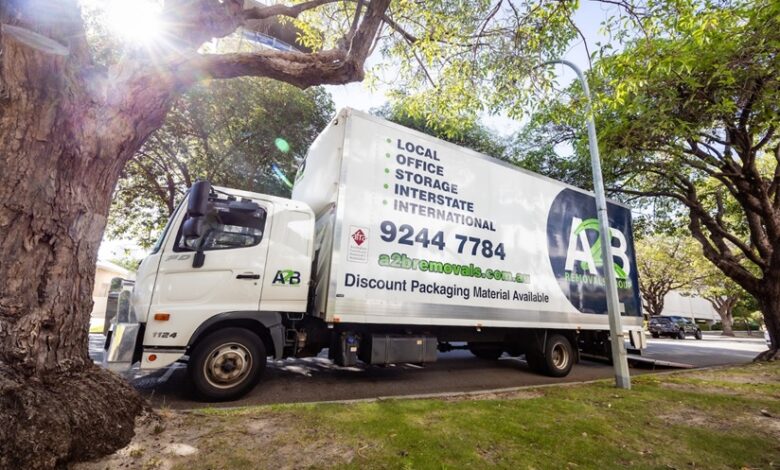
Most people underestimate an interstate move until they’re in the middle of one. Unlike a local relocation, where a hiccup means a two-hour delay and a cold pizza, a long-distance move gone wrong can mean days of disruption, damaged belongings, or goods stranded somewhere between your old home and your new one. The scale is simply different, and the planning needs to reflect that.
Interstate removals require a different level of preparation, a different kind of removalist, and a different mindset from the homeowner or business manager organising the move. The good news is that thousands of Australians complete long-distance relocations successfully every year. The ones who do it well share a common trait: they planned properly and chose their removalists carefully.
This guide is for anyone facing an interstate move, whether you’re a family relocating for lifestyle reasons, a professional moving for work, or a business that needs to shift operations to another state. Here’s what you actually need to know.
Why Interstate Removals Are More Complex Than Local Moves
The gap between a local move and a true interstate relocation is wider than most people expect. It’s not just distance; it’s everything distance introduces.
When you move across state lines, your goods spend days in a truck, exposed to road vibration, temperature changes, and the mechanical stresses of long-haul freight. Load securing that’s adequate for a 30-minute local trip is not adequate for a three-day road journey across the Nullarbor or through central Queensland.
There are also logistical layers unique to interstate moves:
- Biosecurity regulations — Western Australia has strict requirements on what can leave the state; items like soil, plant material, and some food products may be inspected or confiscated at the border
- Settlement date risk — interstate property markets move at different speeds; your WA settlement and your eastern states settlement rarely align perfectly
- Transit communication — for days, your worldly possessions are somewhere on the road; knowing how to stay informed about delivery status matters
- Volume and access at destination — interstate properties often present access challenges the removalists haven’t seen before, particularly in Melbourne’s inner suburbs or Sydney’s apartment-heavy areas
Understanding these complexities is step one. Choosing experienced interstate removalists who’ve navigated them hundreds of times is step two.
How to Choose the Right Interstate Removalists
The removalist market is competitive, and price variation is significant. That variation is not random, it reflects real differences in equipment quality, staff training, insurance cover, and operational capability. Here’s how to separate the reliable operators from the rest.
AFRA Accreditation
The Australian Furniture Removers Association sets the industry standard. AFRA-accredited operators are assessed against requirements covering staff training, vehicle maintenance, insurance, and complaint resolution. Accreditation isn’t a guarantee of perfection, but it’s a meaningful baseline. If a company isn’t AFRA-accredited, that warrants additional scrutiny before you commit.
Route-Specific Experience
Not all interstate removalists run all routes with equal frequency. A company that moves 20 loads per month between Perth and Melbourne has knowledge and operational systems that a company doing two loads a year simply can’t match. Ask directly: how many moves do you complete on this route per month?
Full-Service Capability
The strongest interstate operators aren’t just freight companies, they offer pre-packing, container storage, and end-to-end coordination from your current property to your new one. This matters enormously for complex moves.
Written Quote With Clear Inclusions
Any quote that’s verbal, vague, or doesn’t itemise what’s included is a risk. Get everything in writing: volume, weight, service inclusions, insurance cover, and estimated delivery window.
The Four Key Interstate Routes from Perth
Western Australia’s geography creates some of Australia’s most involved interstate removal corridors. Here’s a brief overview of the four main routes.
Perth to Adelaide removalists — approximately 2,700 kilometres via the Nullarbor Plain. Transit time is typically three to five days. The route’s remoteness and extreme temperatures make proper load securing and experienced drivers non-negotiable. Biosecurity checks at the WA border require preparation. Families making this Perth to Adelaide interstate move often opt for integrated container storage to manage the inevitable gap between their WA departure and their SA arrival.
Perth to Brisbane removalists — over 4,300 kilometres and typically five to eight days in transit. For the full brief on what this route involves, experienced interstate removalists on the Perth to Brisbane run will assess your specific circumstances.
Perth to Melbourne removalists — approximately 3,400 kilometres with a four to six day transit window. Melbourne’s inner-city access requirements (narrow streets, loading zone restrictions, apartment high-rises) add Perth to Melbourne interstate removals planning considerations at the delivery end. More on this route in a dedicated section below.
Perth to Sydney removalists — around 3,900 kilometres and a common relocation route for career movers. Sydney’s traffic and apartment-heavy destination suburbs require experienced drivers and advance access planning. Understanding what’s involved in a Perth to Sydney interstate move early in the planning process pays dividends on moving day.
Container Storage: The Underrated Tool in Interstate Removals
Settlement date misalignment is the single most common complication in interstate moves, and it’s also the most preventable, if you plan for it.
When your Perth property settles before your eastern states property is ready, you have two options: scramble for temporary arrangements, or use container storage as the bridge. The scramble option typically means handling your goods multiple times, hiring short-term storage from a third party, and managing a fragmented process across multiple providers. The container storage option is significantly cleaner.
With integrated container storage, your goods are packed once, loaded into a storage container, and held securely until your destination is ready. Then they’re transported. No double-handling, no repacking, no additional moves. If your removalist offers this as part of their service, rather than referring you to a third party, that’s a meaningful operational advantage.
Container storage is also useful beyond settlement misalignment. Downsizers often need temporary storage while they decide what to keep. Families moving ahead of a partner who’s still winding up work commitments in Perth need a flexible delivery window. In each case, the integrated storage model provides the buffer that makes the difference.
The Interstate Removal Planning Timeline
Here’s a practical framework for an interstate move from Perth.
10–12 weeks before moving day:
- Choose and book your removalist, reputable operators on east coast routes fill quickly, especially between October and March
- Confirm your destination address or at minimum your destination city
- Begin a full home or office inventory
- Research biosecurity requirements for any goods that may be affected
6–8 weeks before:
- Declutter aggressively, every item you don’t move reduces cost and complexity
- Begin packing non-essential rooms and storage areas
- Notify ATO, Medicare, Centrelink, banks, insurance providers, utilities, and Australia Post
- Confirm container storage arrangements if settlement dates aren’t aligned
2–4 weeks before:
- Finalise removalist booking with confirmed inventory and addresses
- Pack almost everything, leave out only daily essentials
- Arrange travel for family members, pets, and vehicles
- Confirm utility connections at your destination
Moving week:
- Complete packing and label every box, destination room and contents on top and side
- Full property walkthrough before and after loading
- Photograph high-value items before they’re loaded
- Confirm your delivery window and transit communication protocol
Interstate Removals for Businesses and Commercial Operations
The complexity of an interstate move scales considerably when the subject is a business rather than a household. Commercial operations have continuity requirements, IT infrastructure, stock management, and staff communication to manage alongside the physical relocation.
For businesses, the key variables are timing and specialist capability. After-hours and weekend moves minimise operational disruption. IT disconnection, transport, and reconnection require dedicated handling protocols, not all interstate removalists have this capability. Stock and archive management requires a proper labelling and tracking system to ensure nothing is misplaced during transit.
If you’re moving a business interstate, treat this as a project management exercise, not just a logistics task. The removalist is one component of a broader programme that includes IT migration, change of address notifications, utility connections at the new premises, and staff communications.
What to Do When Things Don’t Go to Plan
Even well-managed interstate moves can encounter complications. Here’s how to navigate the most common ones.
Settlement delays — have a container storage arrangement confirmed before you need it, not after the delay has already happened. If your removalist can hold goods in storage and transit them when you’re ready, this problem dissolves.
Delivery day access issues — confirm the access arrangements at your destination well in advance. If you’re moving to an apartment building, book the lift. If you’re moving to a narrow inner-suburb terrace, let your removalist know so they can plan appropriately.
Damaged goods — document the condition of high-value items with photographs before loading. If anything arrives damaged, report it to your removalist immediately and reference your insurance documentation. Reputable operators take this seriously and have processes for managing claims.
Communication gaps during transit — establish your communication protocol upfront. You should have a direct contact number for your driver or operations coordinator, and a clear expectation of when you’ll receive updates.
Conclusion
An interstate removal done well is genuinely straightforward — not because the logistics are simple, but because good planning and experienced professionals remove the complexity before it becomes a problem.
Start early, choose interstate removalists with demonstrated experience on your specific route, plan your container storage strategy before you need it, and communicate clearly with your team throughout. Whether you’re a family relocating for a sea change, a professional following a career opportunity, or a business establishing a new eastern states presence, the fundamentals are the same.