Motorized Outdoor Shades: A Practical Upgrade for Houston Outdoor Living
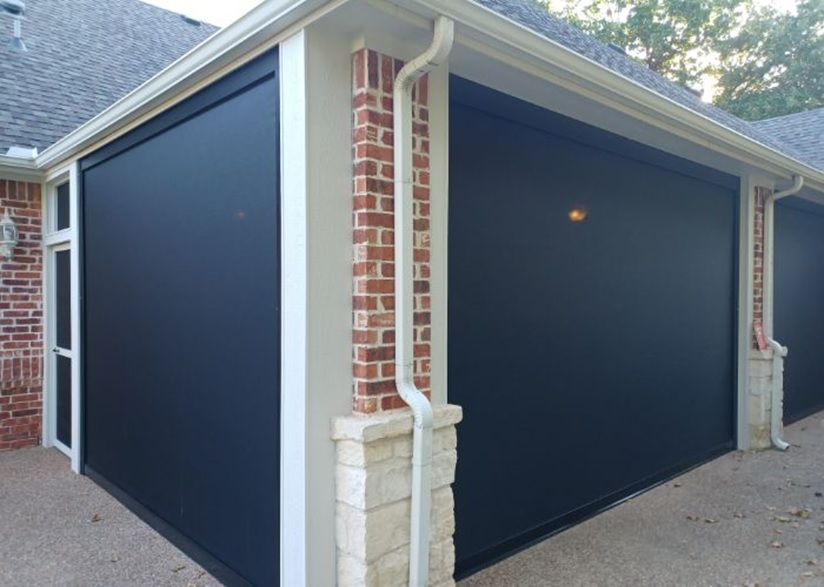
A covered patio can add valuable living space to a home, but having a roof overhead does not always solve every outdoor comfort issue. Sunlight can enter through open sides at different angles throughout the day, glare can affect nearby seating areas, and changing conditions may influence when homeowners actually want to spend time outside. Motorized outdoor shades offer a flexible way to manage an open-air space without turning it into a permanently enclosed room.
Homeowners considering this type of outdoor improvement can explore local options at http://conservationscreensandawnings.com/. Before choosing a system, however, it helps to look beyond the dimensions of the patio. How the space faces the sun, which openings matter most, and what homeowners want to preserve about the outdoor environment can all shape the project.
Find the Openings That Cause the Most Problems
Not every side of a covered patio experiences the same conditions.
One opening may receive stronger sunlight during part of the afternoon, while another remains relatively comfortable throughout the day. Homeowners may also notice that glare affects a particular seating position or nearby glass door.
Spend time observing each opening individually.
This can help identify where an adjustable shade may have the greatest practical value rather than assuming every side of the patio needs the same solution.
Photos taken several times during the day can also provide a useful reference when discussing the project.
Pay Attention to Sun Direction
The direction a patio faces can influence when direct sunlight reaches the space.
Morning and afternoon conditions may be noticeably different, particularly when sunlight enters through open sides instead of directly overhead.
Exterior shading can also matter around nearby windows. The U.S. Department of Energy notes that exterior overhangs or sunscreens can help reduce undesirable solar heat gain before sunlight passes through glazing.
Homeowners can use this principle as another reason to evaluate the relationship between their patio openings, nearby windows, and the direction of the sun before selecting motorized outdoor shades.
Decide What Should Remain Open
Adding shade does not mean homeowners need to eliminate everything they enjoy about an open patio.
A backyard view may be one of the area’s best features. Homeowners may also enjoy watching children play, seeing landscaping from the patio, or maintaining a visual connection between different parts of the property.
Identify these priorities early.
Stand or sit in the positions used most frequently and look outward. Homeowners can then discuss how different configurations may interact with important views when shades are in use.
The objective is not simply to cover an opening. It is to determine how adjustable shade can become part of an outdoor area without unnecessarily changing the qualities homeowners already enjoy.
Look at the Patio From Inside
Outdoor shade planning should include the rooms immediately inside the house.
A kitchen, dining room, or living area may look directly onto the patio through windows or large glass doors. Changes outside can therefore become visible from inside.
Stand in these rooms and look toward the patio.
Consider which architectural features are prominent and how the outdoor area relates to the interior.
Taking both perspectives into account can help homeowners approach the project as part of the overall home rather than treating the patio as an isolated space.
Plan for More Than One Activity
Outdoor spaces often serve several purposes.
The same patio might be used for morning coffee, children’s activities, casual meals, reading, and weekend gatherings.
Instead of planning around only one activity, homeowners can identify the different ways the household uses the space.
This is particularly helpful when evaluating motorized outdoor shades, since an adjustable system may be used differently depending on what is happening outside.
A flexible patio layout can also make it easier to change furniture or introduce new activities later.
Consider Outdoor Entertaining
A patio that feels spacious during an ordinary afternoon can become much busier when guests arrive.
Extra chairs may appear. People may move frequently between the house and yard. Food and drinks may be carried through exterior doors.
Picture the patio during a typical gathering.
Which pathways become busiest? Where do guests usually sit? Which openings need to remain particularly accessible?
Planning around these occasional high-traffic situations can reveal considerations that are easy to miss when evaluating an empty patio.
Account for Outdoor Kitchens and Grills
Cooking areas require special attention because they introduce appliances and heat-producing equipment into the outdoor layout.
Homeowners should identify the permanent location of outdoor kitchens, built-in grills, and other cooking features before finalizing shade placement.
Manufacturer requirements and applicable safety guidance should always be followed around cooking equipment.
If an outdoor kitchen is planned but has not yet been constructed, mention it during the shade-planning process.
Coordinating both projects early can be easier than installing one feature and later discovering that it complicates the other.
Think About the Home’s Exterior Design
A shade system becomes part of the home’s exterior appearance whenever it is visible.
Look at surrounding columns, beams, siding, brick, stone, doors, windows, trim, and other architectural details.
Homeowners can consider how visible components relate to these existing elements.
The goal does not necessarily have to be perfect matching. A coordinated appearance can come from selecting features that feel intentional within the broader design.
This is also a good time to mention future exterior painting, siding, or remodeling projects that could affect the same area.
Learn How the Shades Operate
Motorization adds convenience, but homeowners should understand the specific controls and operating recommendations associated with their selected system.
Ask how the shades are lowered and retracted and what should be checked before operation.
The path of the shade should remain free of people, pets, furniture, toys, and other objects.
Homeowners should also understand any manufacturer guidance related to weather conditions and normal use.
Rather than assuming all retractable systems operate the same way, follow the instructions provided for the installed product.
Make Maintenance Part of the Decision
Outdoor products remain exposed to environmental conditions, so maintenance deserves consideration before installation rather than afterward.
Ask how accessible materials and components should be cleaned and what routine care is recommended.
Homeowners should also know what normal operation looks and sounds like.
If a shade begins moving differently or develops another noticeable change, forcing the system may create additional problems. Following manufacturer guidance or requesting appropriate service is a better approach than attempting an unfamiliar adjustment.
Keeping manuals, warranty information, and installation records together can simplify future maintenance.
Leave Space for the Patio to Change
Outdoor spaces evolve.
Furniture gets replaced, landscaping grows, and homeowners may eventually add new features such as lighting, flooring, or an outdoor kitchen.
For this reason, motorized outdoor shades should be planned around the more permanent characteristics of the patio rather than a temporary arrangement.
Think about structural openings, doors, steps, pathways, and fixed exterior features first.
Furniture and decorations can then change without requiring homeowners to rethink the entire outdoor layout.
Create an Outdoor Area That Can Adapt
A patio does not have to remain in one configuration throughout the day. Homeowners may want more coverage at certain times while preferring a more open environment at others. Motorized outdoor shades can become part of this adaptable approach when their placement considers sunlight, views, architecture, household activities, and the long-term plans for the space.
Homeowners interested in exploring adjustable shade options can speak with Conservation Motorized Screens and Awnings of Houston about their existing outdoor area and project goals. Looking carefully at how the patio already functions can provide a stronger foundation for deciding where an outdoor shade system belongs.